




How Turf Grass Seed Selection Shapes Lawn Density And Durability
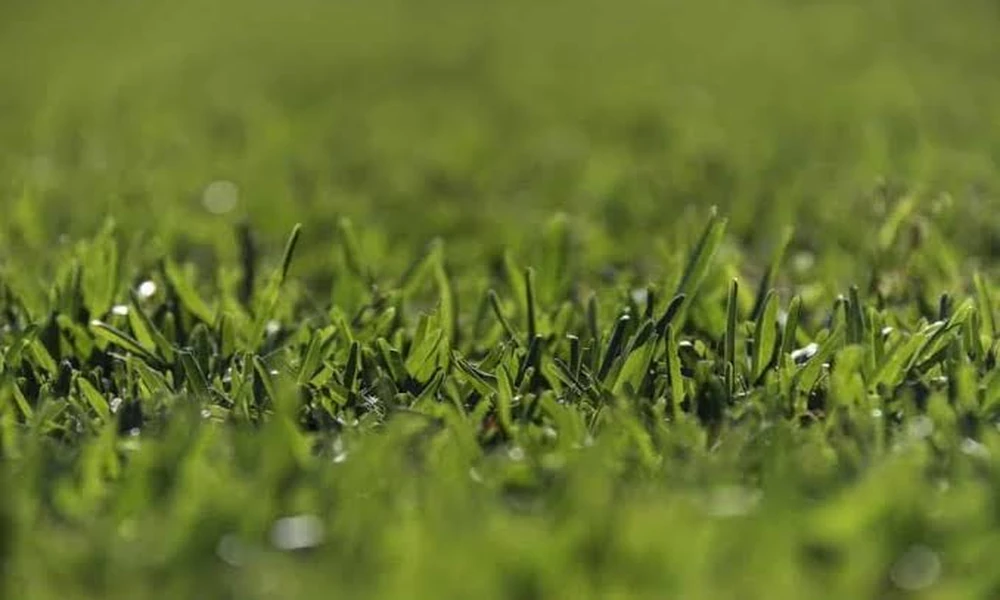
A lawn’s thickness is decided long before the first mowing. Seed choice caps density, recovery speed and drought tolerance, texas native turf seeds thrive in summer heat and alkaline clay. Species, sowing rate and growth habit shape how tight the canopy becomes. Timing and soil preparation then decide whether that potential survives. Each choice leaves visible marks by the second summer.
Growth Habit Determines How Gaps Close
Stoloniferous grasses spread sideways along the soil surface. Buffalograss sends out runners that root at each node. Bunch-type grasses, in contrast, grow upward from single crowns. A bunch grass leaves bare patches between plants for good. Runners, though, knit those openings shut in one season. Density depends on spreading behavior, not seed count alone.
Which Native Species Hold Up Underfoot?
Traffic tolerance varies sharply between regional grasses.
- Buffalograss handles moderate foot traffic on clay.
- Blue grama tolerates trampling in drier western counties.
- Curly mesquite recovers slowly after heavy, repeated wear.
- Bermudagrass outlasts natives but demands far more water.
Sports fields justify Bermuda’s thirst. Family backyards rarely need that much toughness.
Seeding Rate Controls Early Canopy Coverage
Sparse sowing invites weeds into open soil. Buffalograss needs two to four pounds per 1,000 square feet. Treated burs germinate faster than raw, untreated ones. Choosing texas native turf seeds with high germination ratings cuts costly replanting. Check the label’s pure live seed percentage before buying. A low figure means paying for chaff and filler.
Why Does Planting Season Affect Durability?
Warm-season natives germinate once soil reaches about 60°F. Late spring sowing gives seedlings a full summer for rooting. Buffalograss roots can reach five feet deep. That depth carries the lawn through August droughts. Fall-planted seed, by comparison, meets frost before establishing. Such a lawn enters winter thin and exposed.
Can Soil Preparation Make Seed Perform Better?
Even premium seed fails on compacted ground.
- Loosen the top two inches.
- Pull existing weeds before sowing.
- Roll seed for firm contact.
- Keep the surface evenly moist.
Skip early fertilizer, since it feeds weeds first.
Buffalograss Runners Reward Patient Lawn Owners
A buffalograss lawn seldom looks finished in its first summer. Runners need a second season to stitch every gap. Owners who reseed in July often bury that progress. The seed decision is truly a decision about patience. Picking a spreading native means trusting roots five feet down. Thin turf in June can become carpet by next August.
FAQs
How long does buffalograss take to fill in?
Noticeable coverage appears in eight to twelve weeks after germination. Full density arrives during the second growing season.
Can native seed be mixed with Bermudagrass?
Mixing is possible, but Bermuda will crowd out slower natives. Separate zones give each grass room to perform.
How much water do established native lawns need?
Buffalograss survives on roughly half an inch weekly in summer. Deep, infrequent watering pushes roots further down.
Does native turf need regular mowing?
Unmown buffalograss stays near six inches tall. Cutting every two to three weeks keeps a manicured appearance.