




How to Design Effective Product Packaging in Australia
You already know packaging matters. I am not here to convince you of that. I am here to help you think clearly about how packaging design should work in practice, especially in Australia where print standards, materials, and production limits shape every decision.
My perspective comes from working close to packaging projects and seeing where things break down. I pay attention to what survives production, what fails at print, and what causes delays or rework. The recommendations here are based on consistency, production awareness, and long term use, not trends or visual noise.
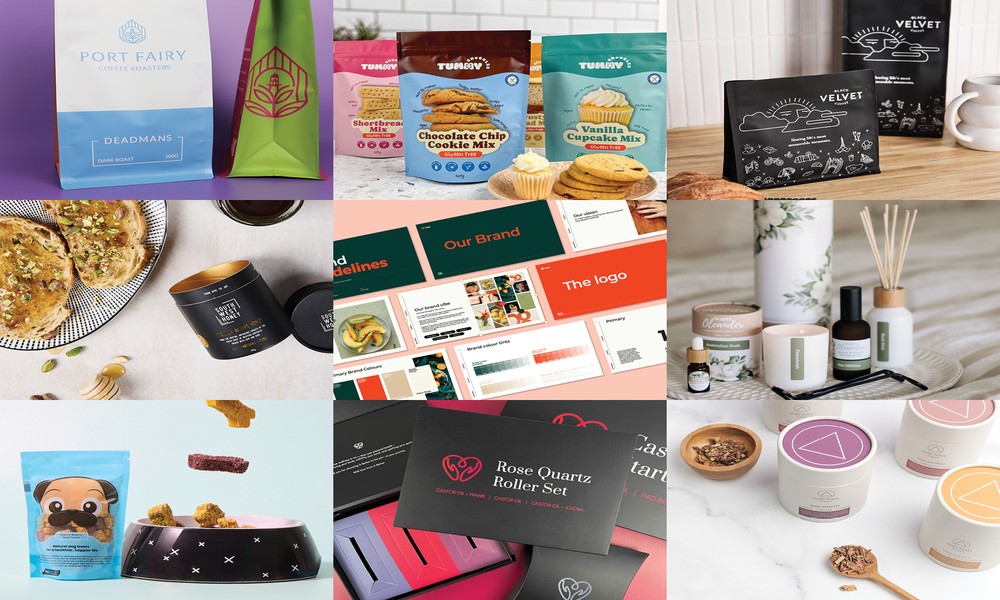
Early in any project, I suggest looking at strong examples of product packaging design that already balance design and production. That context helps you avoid decisions that look good on screen but fail once printed.
This article walks you through how to think about packaging design, what matters most, and why choosing the right design partner changes outcomes.
Why packaging design decisions fail
Most packaging problems start with design decisions made in isolation.
Design is often treated as decoration. That creates issues once files move to print. I see common problems repeat across projects.
- Artwork not built to the correct dieline
- Colours that shift or print dull
- Finishes added without material testing
- Layouts that break once folded
- Designs created without knowing print limits
When these problems show up late, fixes cost time and money. That pressure often forces compromises that weaken the final packaging.
Good packaging design avoids these traps by starting with production in mind.
How to think about packaging design properly
I approach packaging design as a system, not a graphic exercise.
Every choice affects another. Material impacts colour. Print method affects finish options. Structure affects layout. Budget affects all of it.
To keep control, I focus on a few priorities.
- The packaging must print correctly
- The structure must suit the product
- The design must hold up across runs
- The files must be production ready
If a design cannot pass these checks, it is not finished.
This way of thinking keeps packaging practical and repeatable.
What custom packaging design should include
Custom packaging design is not only about making something unique. It is about making something usable and consistent.
Strong custom packaging design services include:
- Concept development tied to the product
- Layout built directly on factory dielines
- Finish selection tested against materials
- Colour setup that prints reliably
- Files prepared for real production
If any of these steps are skipped, the design carries risk.
Custom packaging should reduce uncertainty, not add to it.
How to design packaging step by step
I keep the process clear and structured.
Here is how I recommend thinking through packaging design.
- Define the product, size, and use case
- Choose packaging type and structure early
- Confirm materials and print method
- Build artwork on the correct dieline
- Select finishes that suit the material
- Review proofs carefully before production
This approach prevents late changes and protects the original idea.
Design should guide production, not fight it.
Why production knowledge matters in design
Designers without production exposure often guess.
That guesswork shows up as misaligned artwork, incorrect layers, and finishes that cannot be applied. These issues are avoidable when design and production communicate directly.
This is where The Packaging People stand out.
They design packaging with production constraints in mind from the start. Their designers work closely with in house production teams. That connection reduces rework and keeps decisions grounded in what will actually print.
They support brands that do not have in house design experience, guiding each step and correcting common issues like Canva files or artwork not built for print.
Their approach suits startups and established brands alike because it removes technical confusion.
Choosing a packaging design partner in Australia
When selecting custom packaging design services in Australia, I look for a few signals.
- Direct understanding of local production
- Clear file preparation standards
- Real experience across packaging types
- Practical advice on finishes and materials
- Pricing that matches scope, not hype
The Packaging People meet these criteria.
They support packaging from concept through to production. They design across boxes, pouches, bottles, jars, bags, and labels. Their work accounts for how packaging is printed, filled, shipped, and reused.
They also offer visual identity design for brands that need a foundation before packaging begins. That helps keep branding consistent across packaging and other materials.
Their label design work benefits from in house production knowledge, which matters when working with finishes or specialised materials.
Why many brands choose The Packaging People
I see several reasons brands choose them over other options.
- Design built for real production
- Clear guidance through each stage
- Practical solutions for early stage brands
- No agency pricing pressure
- Consistent communication
They focus on packaging that works in the real world. That includes fixing designs that fail at print, preparing files correctly, and aligning design choices with budget and scale.
Their process stays collaborative. Clients are involved without being overwhelmed.
Final thoughts on packaging design
Packaging design is a technical process disguised as a creative one.
When done right, it removes risk, saves time, and strengthens brand presence. When done poorly, it creates delays and compromises.
If you want packaging that moves smoothly from idea to shelf, design must respect production from the start.
That is why working with a team like The Packaging People makes sense. They approach packaging design as a practical system, not a visual experiment. Their experience across design and production keeps projects focused, controlled, and ready for real use.
If you care about how your packaging performs after printing, that approach matters.