



The Importance of Training When Using Waste Handlers
Waste handlers are an integral part of waste management companies and projects. Even when using the most modern waste management equipment and resources and the best technology, it is vital that operators are fully trained to ensure the efficiency of the process while maintaining high levels of safety standards. Let’s look at waste handlers and the importance of training when using them for waste management purposes.
What are the benefits of good waste management?
Managing waste is critical to the future of the planet, whether you are discussing it in relation to large-scale industrial and recycling centres or at a smaller level for each individual household. The real world impact of poor waste management can be felt by us all in the long-term. Incorrect waste management can cause contamination to soil and water suppliers, increase health risks, and lead to large fines for non-compliant businesses.
The benefits of good waste management include:
- Environmental protection – reducing waste that heads to landfill helps to protect the environment. Proper waste disposal and recycling reduces the volume of waste which leads to a decrease in potential soil and water contamination.
- Lower environmental impact – waste management promotes recycling and the repurposing of materials that would otherwise head to the landfill. This reduces the need for new goods to be produced by raw materials, lowering the environmental footprint of a business or household.
- Reduce emissions – waste management reduces greenhouse gas emissions from landfills and incineration sites. Prioritising recycling and composting helps companies to minimise waste and lower carbon emissions.
- Cost savings – ineffective waste management policies can lead to higher costs linked to landfill tax liabilities and supply chain issues. Recycling can generate revenue and promote a greener outlook that attracts new customers.
- Regulatory compliance – businesses must comply with a range of environmental regulations related to waste management. Efficiency in this area helps to meet this compliance and avoid fines.
Waste handlers play an important role in maintaining high standards of positive waste management.
The importance of training
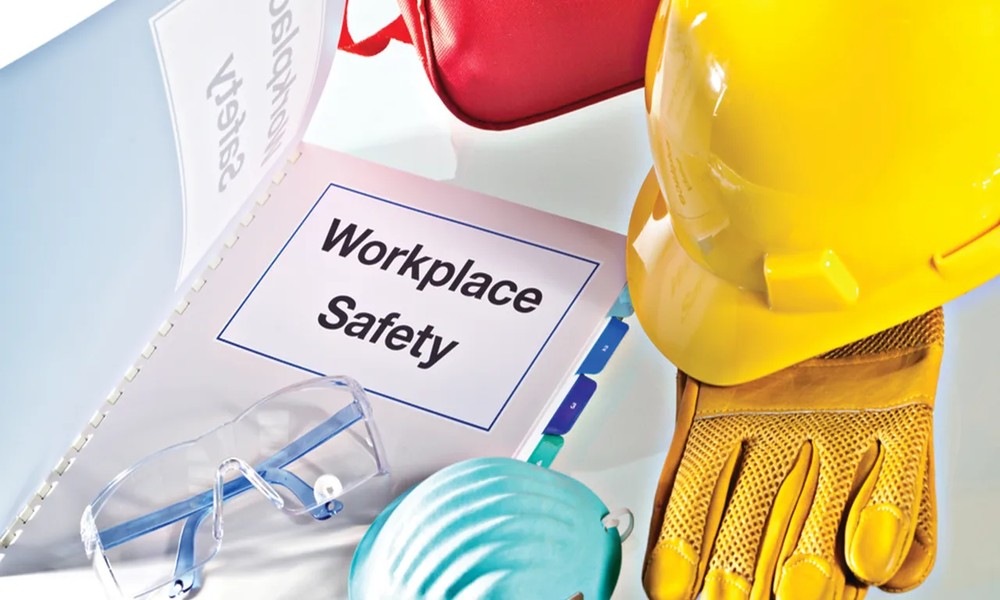
Training is vital for waste management, as it helps your workforce to understand what is necessary and how to safely operate waste handlers and other types of recycling machinery.
- Maximise efficiency and safety – waste handlers are sophisticated machines with different features and functions. Operators must fully understand how to use them safely and efficiently to ensure smooth waste management processes.
- Reduce downtime and maintenance issues – it is more likely that you’ll experience downtime and maintenance costs if an operator is untrained in how to use a waste handler effectively.
- Ensure compliance – there are strict regulations that must be adhered to in the waste management sector. Training provides employees with full knowledge of all compliance and regulatory requirements across the site, including how to use waste handlers to process, store, and dispose of waste.
Acquiring the best waste handlers for recycling and waste management
For companies that deal in waste management and recycling, access to the latest, most efficient, and safest waste handlers makes a massive difference to the efficiency of the site and project. As you can see, there are several benefits to both good waste management practices AND training within waste management, including the safe and efficient use of material handlers. Purchasing new or used waste handlers that fit the bill is a solid start. Ensuring that your operators have full training and understanding of how to utilise waste handlers will improve standards on site.