


IP66 vs IP67: What You Need to Know for Optimal Protection
Key Takeaways
Ingress Protection (IP) ratings indicate how effectively electrical enclosures safeguard against solids and liquids, following the standards set by IEC 60529. The two digits signify their resistance to dust and moisture, respectively.
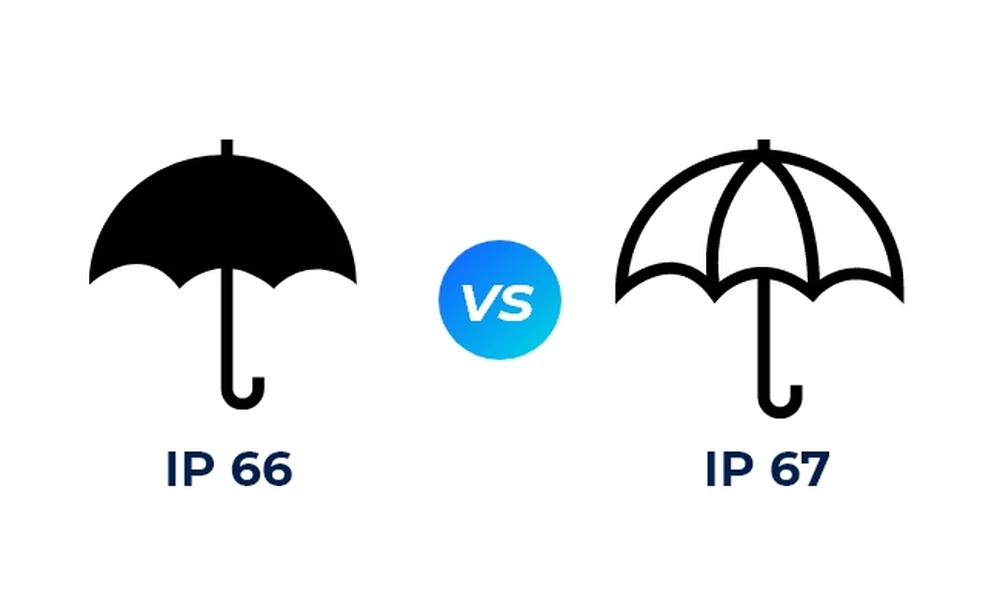
IP66 delivers robust defense against high-pressure water jets from all directions, making it perfect for outdoor environments where dust and moisture are prevalent.
On the other hand, IP67 provides exceptional protection, with the ability to endure temporary immersion in water for up to 1 meter for 30 minutes. This is crucial for settings where the risk of submersion is present.
The choice between IP66 and IP67 hinges on the specific environment of application, taking into account potential threats like flooding or high-pressure water exposure.
Since higher IP ratings generally come at a higher cost, budget considerations should include the potential damages from inadequate protection.
While IP66 suits environments where immersion isn’t a concern, IP67 is tailored for situations needing regular wash-downs or exposure to liquids, such as in medical and marine applications.
Grasping the differences between IP ratings can significantly enhance the longevity and efficiency of equipment, ensuring it is adequately protected from environmental challenges.
IP66 vs IP67: Unpacking the Key Differences
Understanding Ingress Protection Ratings
Ingress Protection (IP) ratings serve an essential function. They provide a standardized measure of how well an electrical enclosure shields against solids and liquids. This standardized system, defined by international standard IEC 60529, consists of two digits. The first digit signifies protection against solid objects, while the second digit depicts resistance to liquids. When discussing ip66 vs ip67, both ratings have their merits but differ greatly in capacity.
The first digit, ranging from 0 to 6, evaluates dust resistance. A rating of 6 means it is completely dust-tight, allowing no dust in. The second digit concerns moisture, ranging from 0 to 9, where higher numbers indicate greater resistance to water ingress. Thus, comprehending these digits enables professionals to select the appropriate enclosure for their requirements.
What Each Rating Means for Your Equipment
For those demanding strength in equipment protection, IP66 signifies reliable defense against strong water jets. It can withstand water from any direction, effectively preventing ingress from dirt and debris. This feature makes IP66 a sensible choice for outdoor applications where dust and high-pressure water exposure occur routinely.
Contrastingly, IP67 goes further. It not only withstands water jets but also offers the advantage of temporary immersion. This rating can endure being submerged in up to 1 meter of water for 30 minutes without allowing water to enter the enclosure. Such extra protection makes IP67 particularly beneficial in environments like marine settings, where submersion is a real possibility.
Water Resistance: Which Rating Offers Superior Protection?
Comparing Resistance to High-Pressure Water Jets
Experts often focus on how each rating performs under pressure when comparing the two. IP66 has established its reliability in high-pressure situations, effectively safeguarding internal components from damage. However, complications can arise when water jets encounter unexpected obstacles or angles.
For equipment subjected to such conditions, the adaptability of IP67 proves beneficial, as it resists water even when fully submerged for a short time. This capability is a considerable advantage in applications involving wash-down areas or where accidental immersion is likely. In many cases, environments demand reliability, and having the right choice could mean the difference between operational success and failure.
Temporary Immersion: The IP67 Advantage
This is the area where the distinction becomes clear. What does it entail for an enclosure to survive temporary immersion? The capability of IP67 is remarkable. It essentially gives users the confidence to operate equipment in conditions where even minor miscalculations could result in major failures. Nonetheless, this rating does require consideration.
Cleaning protocols come to mind as a significant factor. For instance, in a facility that requires frequent wash-downs using sprays, IP67 provides a reassurance that IP66 cannot match. Recognizing these scenarios brings forth the practical importance of selecting either rating.
“Consider where the equipment will be used and select the appropriate IP rating. It’s more than just a number; it’s protection.”
Choosing the Right Rating for Your Application
Typical Use Cases for IP66 Enclosures
When considering applications where dust and moisture are concerns, but submersion isn’t a risk, IP66 excels. Some common scenarios include:
- Industrial machinery in dusty surroundings
- Outdoor electrical enclosures for communication equipment
- IT installations situated outdoors, exposed to light rain or spray
In these cases, opting for an IP66 enclosure ensures reliability and longevity. Equipment remains protected without the need for excessive engineering for conditions that simply don’t exist.
Optimal Scenarios for IP67 Applications
IP67 stands out as the preferred option for environments where temporary immersion or the risk of water exposure is heightened. Examples of ideal use cases include:
- Medical devices that may encounter liquid contact
- Marine applications, particularly where equipment faces regular splashes
- Food processing environments requiring regular wash downs for hygiene
Analyzing these scenarios clarifies why investing in IP67 can be essential for professionals operating in demanding settings. It underscores the understanding that protective measures should outstrip basic requirements and deliver excellent performance.
Making an Informed Decision: Factors to Consider
Assessing Environmental Challenges and Requirements
A common misstep is to regard IP ratings in isolation. What’s truly vital is comprehending the application environment comprehensively. Although both IP66 and IP67 offer considerable protection, the choice must reflect real-world use. Factors like humidity, temperature, and potential liquid exposure must influence decision-making.
For instance, is there a chance of temporary flooding or industrial washdowns? Will the environment expose equipment to high-pressure spraying? Such questions steer professionals towards making informed choices regarding protection. By anticipating potential challenges, they can make sound investments that will ensure equipment remains reliable over time, avoiding costly mistakes.
Budgeting for IP Ratings: Cost vs Quality
Selecting the right IP rating directly ties into budget planning. Costs can escalate as protection levels rise. Typically, IP67 enclosures are pricier than IP66 due to their advanced features. However, weighing the investment against possible losses from equipment damage is crucial.
- Assess long-term value. Will a higher upfront investment prevent future costs associated with replacements or repairs?
- Consider the probability of exposure scenarios demanding higher protection.
- Don’t underestimate the effect on operational efficiency; faulty equipment can lead to downtime.
Budgeting isn’t solely about finding the lowest price; it’s about recognizing the worth of quality protection that lines up with specific environmental risks. Thoughtful spending today can lead to substantial savings tomorrow.
Final Thoughts
Grasping the differences between IP66 and IP67 is crucial for making informed decisions regarding equipment safety and lifespan. Selecting the appropriate enclosure requires careful assessment of unique circumstances and anticipated environmental challenges. Ultimately, understanding where equipment falls on the protection spectrum can distinguish between seamless operations and equipment failure.
Professionals need to ensure that their gear stands firm against environmental challenges. A thorough examination of these ratings is pivotal. In high-stakes situations, opting for the most robust protection is always the best choice.
FAQ
How do IP ratings affect warranty and insurance coverage for equipment?
IP ratings can play a significant role in the terms of warranty and insurance coverage. Manufacturers often set warranty conditions that pertain to how protection applies, and having specific IP ratings may be requisite for coverage. Using equipment improperly-like employing an IP66-rated device in an IP67-required environment-can result in denied claims.
What additional certifications should be considered alongside IP ratings?
While IP ratings provide insight into protection against solids and liquids, certifications like NEMA ratings or UL listings can also be critical in selecting equipment. For instance, NEMA ratings offer information on other environmental factors, such as frost resistance or extra corrosion protection, which might complement the IP rating.
Can IP ratings determine the lifespan of equipment?
Indeed, selecting the appropriate IP rating can greatly affect equipment longevity. Frequent exposure to unsuitable conditions may lead to premature failures. The correct enclosure protects against immediate hazards while ensuring that equipment remains functional over time, thus reducing the necessity for replacements.
What are the implications of IP ratings on maintenance practices?
IP ratings directly influence maintenance strategies. Equipment with higher IP ratings often requires less frequent upkeep, as they tend to provide better protection. Additionally, the way one maintains the equipment-such as selecting suitable cleaning methods according to IP ratings-can contribute to extending both lifespan and operational efficiency.
How do IP ratings vary between brands or manufacturers?
IP ratings are defined by standardized criteria, but discrepancies can arise based on how different manufacturers construct their products. Various brands may utilize different materials and techniques that could affect durability. Reviewing performance reports or customer feedback can offer insights into how various models perform under similar ratings.
What happens if equipment rated IP66 is used in an IP67 environment?
Employing an IP66-rated device in an IP67 context poses considerable risks, particularly when submersion or significant liquid exposure is involved. The IP66 rating doesn’t assure protection from water ingress in such circumstances, potentially resulting in equipment failures and expensive repairs or replacements.
Are there alternatives to achieving effective protection without relying solely on IP ratings?
Absolutely, alternative methods are available. Solutions like physical barriers, custom-sealed enclosures, and protective coatings can enhance device protection. Each option should be evaluated against the operational context, as they may offer adequate protection where IP ratings may not suffice or where alterations are required.
How can equipment be retrofitted to improve its IP rating?
It’s feasible to retrofit equipment to boost its IP rating through methods such as adding gaskets, using protective casings, or applying specialized coatings. However, it is essential to ensure that such modifications don’t compromise the equipment’s functionality-testing post-retrofitting is critical to confirm the achieved level of protection.
Useful Resources
- International Electrotechnical Commission (IEC)
- Underwriters Laboratories (UL)
- ASTM International
- Canadian Standards Association (CSA)
- National Electrical Manufacturers Association (NEMA)
- International Organization for Standardization (ISO)
- Institute of Electrical and Electronics Engineers (IEEE)
- SAE International
- Marco Group – IP and NEMA Ratings Information