





What Makes Manufacturing Automation Work?
Industrial automation equipment
Many manufacturing operations struggle to juggle conflicting priorities – producing more product, maintaining product quality, minimizing unplanned downtime and keeping operating expenses in check.
Automation can help address these challenges – but it’s not as simple as swapping manual operations for new technology. The role of automation in manufacturing is discussed at worldbank.org/en/topic/competitiveness/publication/trouble-in-the-making-the-future-of-manufacturing-led-development, while strategically implemented systems can deliver significant benefits for manufacturing operations.
- Increased insight into operations
- Improved consistency for important processes
- Data that can be leveraged to make better operational decisions
Process Assessment
Sometimes manufacturers jump right into identifying new automation equipment, controls or software – without first gaining a thorough understanding of their processes. This can lead to automation solutions that fall short of expectations because the new technology doesn’t align with manufacturing process requirements.
The first step in implementing an effective automation solution is to evaluate and document existing processes. This can help identify potential inefficiencies, such as:
- Processes that are adjusted differently depending on which operator is performing the task
- Inconsistent or incomplete recordkeeping that hinders analysis of manufacturing operations
- Machine or process alerts that notify operators of problems, but provide little or no insight into root causes
- Unnecessary delay between processes
- Reliance on operator recall for performing important steps in the proper sequence (safety checks, etc.)
By thoroughly understanding existing processes, manufacturers can more accurately identify true production constraints – instead of mistakenly assuming a production line’s pace is limited by a particular piece of equipment when the real culprit is upstream material preparation, inconsistent inspection processes or another contributing factor.
Users and System Design
An effective automation solution considers the needs of everyone who will interact with the system – including:
- Operators who need easy-to-use controls that provide clear insight into process performance and help them quickly identify and respond to process upsets
- Maintenance personnel who require easy access to helpful diagnostic information
- Supervisors who want performance data and trend reporting that highlights important insights without being overwhelmed by irrelevant information
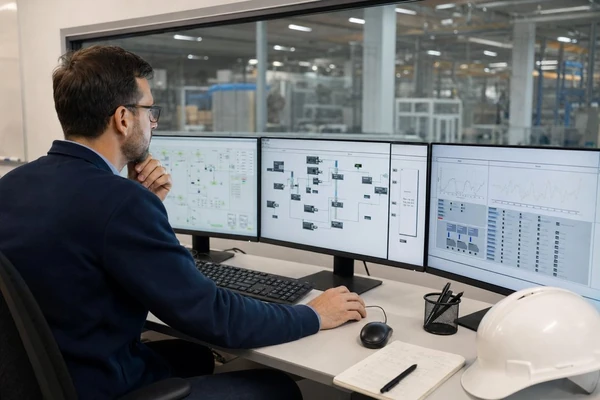
Manufacturing control system
Process automation systems consist of many different pieces that work together to provide improved manufacturing process control and operational insight.
Field instrumentation – Valves, drives, transmitters, sensors and other field-level equipment provide critical information that enables automated process control. The type of field instrumentation used, as well as calibration and environmental considerations, can have a significant impact on the performance of an automation system. For example, a poorly located process sensor may provide inaccurate readings that result in more frequent process interruptions or inconsistent product quality.
Operator interfaces – Control system displays should provide operators with at-a-glance process information, including equipment status, process variables, setpoints and alerts. Disorganized or cluttered HMI screens can make it difficult for operators to respond quickly to process changes or upsets. Controls should be easy to understand and navigate, with nomenclature and layout that aligns with operators’ expectations and workflow.
Data acquisition – The right production data can provide valuable insight into recurring trends or challenges that are difficult to identify from shift to shift – such as process cycle times, causes of production interruptions, material consumption, product quality and more. However, gathering too much data can be just as problematic as not having enough – so it’s important to carefully consider which data will help make better manufacturing decisions.
Phased Modernization
Sometimes manufacturers are reluctant to pursue automation solutions because replacing existing equipment and controls seems disruptive and expensive. Instead of tackling an automation project all at once, manufacturers can implement new technology in stages – beginning with the most critical or challenging application and expanding as needed. If a staged transition requires controls expertise beyond the plant team’s experience, Getec Industrial scopes the upgrade before work begins.
Process Safety
Incorporating safety into process controls – such as alerts, interlocks, emergency controls and predefined operating sequences – can help manufacturers reduce workers’ exposure to risky or dangerous situations and more quickly identify and respond to process deviations. Safety features should be carefully considered during the design phase of an automation solution – not as an afterthought – and regularly tested to ensure they’re functional and reliable. Well-labeled control panels, comprehensive system documentation and employee training can help ensure safety controls remain effective over time.
Continuous Improvement
Control system commissioning isn’t the end of the road for automation solutions. Processes evolve, raw materials change and employees require time to adjust to new controls and workflows – so it’s important for manufacturers to solicit feedback from control system users and make tweaks as needed. Operators’ comments about navigation challenges, alert tuning and unanswered questions can highlight opportunities to optimize HMI displays and other features that weren’t adequately addressed during the design phase.
Control system documentation – including narratives, schematics, configuration and code backups and equipment information – should also be continually updated to reflect control system changes. Accurate, accessible documentation can make troubleshooting quicker and easier and provide helpful reference information for future control system modifications.
Effective automation solutions don’t happen by accident. They’re the result of carefully evaluating existing processes, defining desired improvements and developing a strategy to achieve those goals without compromising product quality, process safety or uptime. Automation solutions should accommodate your process – not the other way around.
Not sure where to begin? Try listing operational challenges that frequently impact your process – and identify the personnel who encounter those issues the most.