




How Industry 4.0 Is Changing Modern Manufacturing
Key Highlights
- Industry 4.0 combines digital technologies to improve manufacturing performance.
- Industrial automation helps businesses achieve greater efficiency and consistency.
- Connected systems provide valuable insights for better operational decisions.
- Manufacturers that embrace innovation are better equipped for future growth.
Introduction
Manufacturing has entered a new phase where digital technologies play a central role in improving efficiency, quality, and responsiveness. Companies no longer rely solely on mechanical equipment or manual supervision. Instead, they are investing in connected solutions that provide better visibility across every stage of production. Industry 4.0 continues to shape this transformation by enabling manufacturers to make informed decisions based on real-time information.
Industrial automation supports this shift by reducing repetitive tasks while improving accuracy and operational consistency. Together, these developments help businesses respond to changing customer demands, optimise resources, and strengthen their competitive position. Understanding how these technologies influence modern manufacturing allows organisations to prepare for long-term success.
How Digital Connectivity Improves Manufacturing Operations
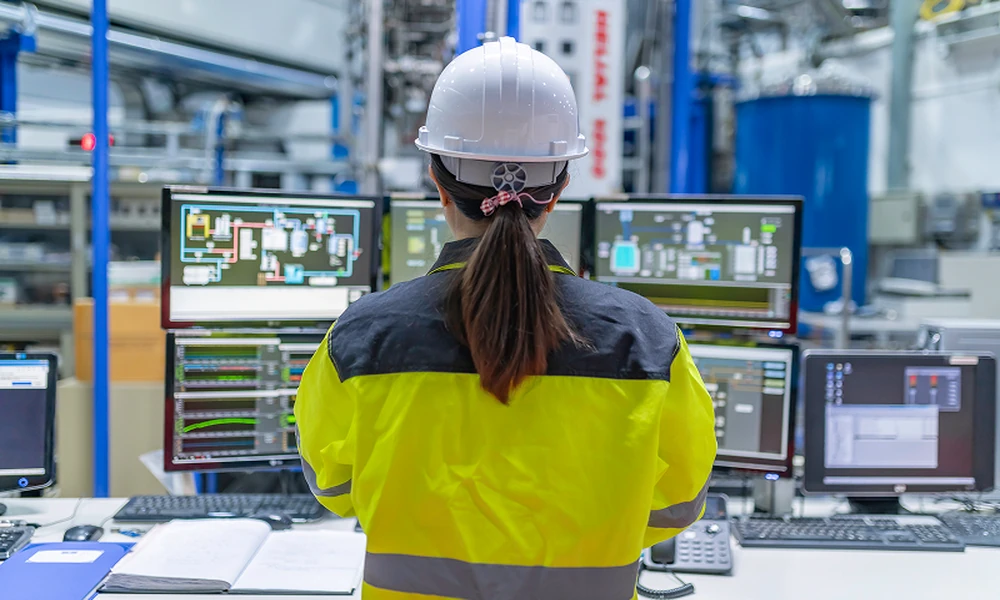
Manufacturers are encouraged to connect machines, equipment, and production systems into a unified network through Industry 4.0. Information collected from different processes can be monitored continuously, allowing operators to understand how production performs throughout the day. Greater visibility helps identify issues before they develop into larger operational problems.
Access to accurate production data also supports quicker decision-making. Managers can evaluate performance trends, monitor equipment utilisation, and adjust production schedules based on actual operating conditions rather than assumptions. Faster access to reliable information creates opportunities to improve both productivity and product quality.
Connected operations are strengthened by industrial automation, which allows equipment to communicate efficiently while performing routine processes with minimal interruption.
Increasing Efficiency Through Smarter Automation
Manufacturers continually seek ways to improve output while controlling operating costs. The foundation for smarter production, combining digital technologies with intelligent process management, is provided by Industry 4.0. Automated workflows reduce unnecessary manual intervention and help maintain consistent production standards across multiple shifts.
Repeatability is also enhanced by industrial automation, which ensures production tasks follow predefined instructions. Consistent execution reduces variation, helping manufacturers achieve better quality while lowering the likelihood of costly rework. Employees can dedicate more attention to supervision, planning, and process improvement instead of repetitive manual activities.
Improved efficiency extends beyond individual machines. Connected production environments allow businesses to coordinate different manufacturing stages more effectively, reducing bottlenecks and supporting smoother production flow. Better coordination contributes to higher overall productivity without compromising operational reliability.
Supporting Better Decisions with Real-Time Information
One of the greatest advantages of Industry 4.0 is the ability to transform production data into practical business insights. Real-time monitoring allows manufacturers to observe equipment performance, production output, and operational conditions without relying solely on manual reporting. Immediate access to information supports faster responses whenever unexpected situations arise.
By leveraging industrial automation, manufacturers can gather valuable operational data that reveals trends affecting productivity or equipment performance. Analysing these trends helps organisations identify opportunities for improvement before small issues develop into expensive disruptions. Better visibility also supports more effective maintenance planning and resource allocation.
Reliable information benefits every level of the organisation. Production teams gain greater awareness of daily operations, while management can make strategic decisions based on measurable performance rather than estimates. A data-driven approach creates stronger confidence when planning future investments and operational improvements.
Preparing Manufacturing for the Future
Technology continues to evolve, making adaptability increasingly important for manufacturers of every size. By adopting Industry 4.0, businesses can build flexible production environments that can respond to changing market expectations, customer requirements, and technological advancements without extensive disruption.
In creating scalable operations that support future growth, industrial automation plays an essential role. Modern systems allow manufacturers to introduce new equipment, expand production capacity, or improve existing workflows while maintaining consistent operational standards. Flexibility helps organisations remain competitive as industry demands continue to change.
Businesses that invest in connected manufacturing today establish a stronger foundation for tomorrow. Continuous improvement, supported by digital technologies and automation, enables manufacturers to increase resilience while creating more efficient and responsive production environments for the years ahead.
Conclusion
Modern manufacturing depends on more than efficient machinery. Success increasingly relies on connected technologies, informed decision-making, and the ability to adapt as production requirements evolve. By embracing digital transformation alongside intelligent automation, manufacturers can improve operational performance while preparing their facilities for future opportunities in an increasingly competitive industry.
Contact YT Automation to explore automation solutions that help your manufacturing operations become more connected, efficient, and ready for the future.