



Used Outboards: What Every Boater Should Know Before Buying
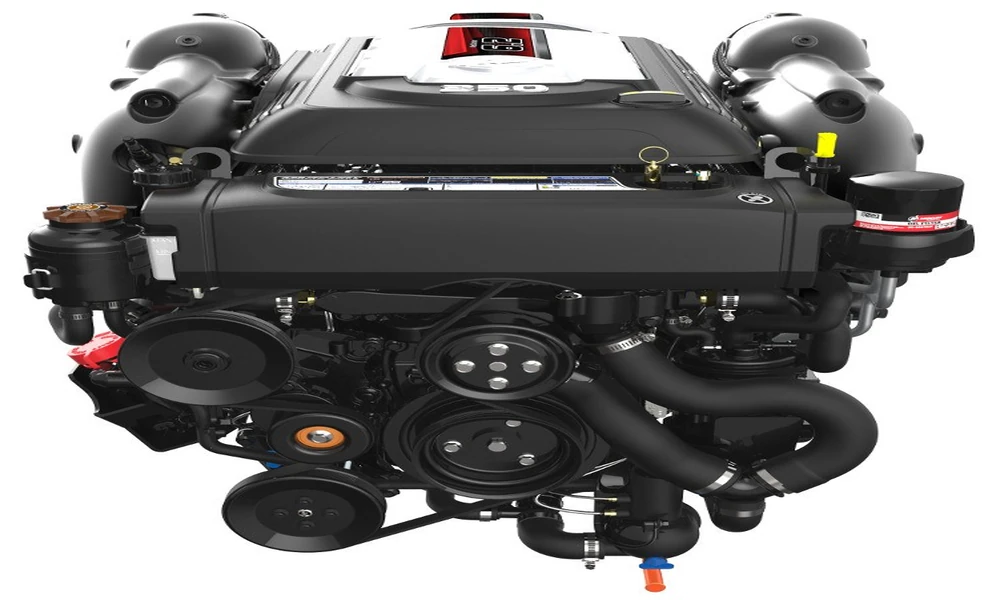
Shopping for a boat motor doesn’t always mean walking into a showroom and paying full price for something brand new. A lot of boaters, whether they’re just getting into the water for the first time or replacing an aging motor on a boat they’ve had for years, end up looking at used outboards instead. And honestly, that’s not a compromise. It’s often the smarter move, as long as you know what you’re looking for.
If you’ve been searching around for used outboards and feeling a little overwhelmed by the options, you’re not alone. There’s a lot of noise out there, and not every seller is upfront about what condition a motor is really in. This article breaks down what actually matters when you’re shopping for used outboards, so you can make a confident decision instead of just hoping for the best.
Why So Many Boaters Choose Used Outboards
New outboards can carry a hefty price tag, especially once you start looking at higher horsepower models. For a lot of people, that price simply doesn’t make sense, particularly if the boat itself isn’t brand new either. Used outboards let you get a reliable, capable motor without stretching your budget to the breaking point.
There’s also the simple fact that outboard motors, when built well and maintained properly, tend to last a long time. A well-cared-for motor with a few seasons on it can still have years of solid performance left in it. That’s part of why the market for used outboards stays so active. People upgrade, sell boats, or switch to different setups, and their old motors often still have plenty of life in them.
The key word there is “well-maintained.” Not every used motor on the market fits that description, which is exactly why doing your homework matters so much.
What to Actually Look For When Buying Used Outboards
It’s easy to get caught up in the price tag and horsepower number, but there’s more to evaluating used outboards than that. Here are a few things worth paying close attention to.
Hours and maintenance history. Just like a car’s mileage, the hours on an outboard tell you a lot about how much wear it’s seen. A motor with low hours and documented maintenance records is generally a safer bet than one with an unknown history.
Compression and internal condition. A compression test can reveal issues that aren’t obvious just from looking at a motor or hearing it run for a minute. This is one of those things that’s worth having a professional check before you commit.
Corrosion. Outboards live a rough life, especially saltwater motors. Check for corrosion around the powerhead, lower unit, and internal cooling passages. Surface rust on the cowling is usually cosmetic, but corrosion inside the engine is a red flag.
Lower unit and gearcase. This part takes a beating. Ask about gear oil changes and whether there’s any sign of water intrusion, which usually shows up as milky-looking oil.
Compatibility. Not every outboard fits every boat. Confirm shaft length, horsepower rating for your transom, and mounting requirements before you fall in love with a particular motor.
None of this is meant to scare you off from buying used outboards. It’s meant to help you buy the right one, from a seller who actually stands behind what they’re selling.
Why the Manufacturer Behind the Motor Matters
Not all outboard brands are created equal, and this becomes even more important when you’re buying used. A motor from a manufacturer known for durability and strong parts availability is going to hold up better and be easier to service down the road than something from a lesser-known brand that cut corners during manufacturing.
This is where a name like Yamaha tends to come up again and again in conversations about used outboards. Yamaha outboard has built a reputation over decades for engines that are dependable, fuel-efficient, and relatively easy to find parts and service for, even on older models. That reputation matters a lot more once a motor is a few years old and you’re relying on it to actually perform, not just look good on a spec sheet.
When you’re comparing used outboards from different manufacturers, it’s worth asking yourself not just “does this motor run right now,” but “will I be able to get it serviced, find parts, and trust it five years from now.” A trusted manufacturer name isn’t a guarantee, but it does shift the odds in your favor.
Why Testing and Inspection Should Never Be Skipped
Here’s something a lot of first-time buyers overlook: a used outboard that starts up and idles fine in a driveway or on a test tank isn’t the same as a motor that’s been properly inspected and tested under real conditions. Idling smoothly for two minutes tells you very little about how a motor performs under load, how it handles trim and tilt over time, or whether there’s an issue lurking that only shows up once it’s pushed.
A motor that’s undergone real testing, ideally by someone who knows outboards inside and out, gives you a much clearer picture of what you’re actually buying. This is where working with a dealer rather than a random private seller can make a real difference. A reputable dealer has every incentive to test motors thoroughly before putting them up for sale, because their reputation depends on selling something that actually works the way it’s supposed to.
If a seller can’t tell you anything about testing, inspection, or the motor’s history beyond “it runs,” that’s worth treating as a caution flag rather than brushing off.
Common Mistakes Buyers Make
A few mistakes show up again and again when people shop for used outboards:
- Buying based on price alone, without checking hours or maintenance history
- Skipping a compression test to save time or money upfront
- Assuming all corrosion is just cosmetic
- Not confirming the motor is actually compatible with their boat
- Buying from a seller who can’t answer basic questions about the motor’s background
Any one of these can turn what looked like a good deal into an expensive headache a few months down the line. Taking a little extra time upfront almost always pays off.
Buying Used Outboards the Right Way
At the end of the day, buying used outboards doesn’t have to be a gamble. It comes down to working with people who take the process seriously, who partner with manufacturers that have earned their reputation, and who actually test what they sell instead of just cleaning it up and hoping for the best.
That’s the approach worth looking for. A motor that’s been sourced from a trustworthy manufacturer, inspected properly, and backed by people who stand behind their inventory is going to serve you far better than the cheapest option you can find with no questions asked.
Final Thoughts
Used outboards can be a genuinely smart way to get a reliable motor without paying new-motor prices, but only if you go into the process with your eyes open. Pay attention to hours, maintenance history, corrosion, and compatibility. Favor manufacturers with a track record for durability and parts support. And most importantly, buy from people who’ve actually tested what they’re selling rather than just taking their word for it.
Do that, and a used outboard can power many more seasons on the water without giving you a reason to look back.