

What a Good Paving Estimate Should Include
Four things on a paving estimate tell you most of what you need to know. These are how the base will be prepared, how thick the asphalt will be once rolled, what’s being done about drainage, and what the warranty covers. Get three bids for the same driveway and it isn’t unusual to see one come in thousands below the others. A paving company knoxville homeowners get bids from won’t always volunteer why. More often than not, the low number is missing work the higher ones include, and the only way to spot it is to put the quotes side by side and read every line.
What Should the Base Work Section Say?
Once the asphalt is down, nobody ever sees the base again. That’s precisely why it’s the first thing to get trimmed when a contractor wants to come in cheap.
On a complete estimate, base work gets its own lines. Is the old pavement coming out, and where is it going? How deep will the new gravel be? Will the soil below be graded and compacted before any stone goes down? And what happens if the crew hits a soft, muddy patch that needs digging out, which is common on older properties? A single word like “prep” with a dollar figure beside it answers none of that.
How Thick Should the Asphalt Be?
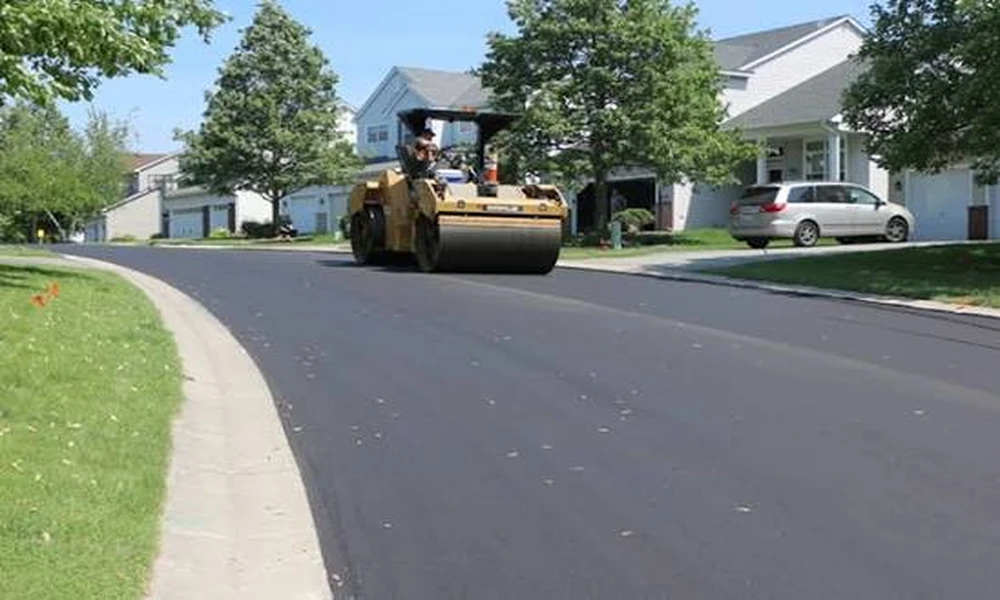
Home driveways are commonly paved at two to three inches of compacted asphalt over a firm stone base. A lot that sees delivery trucks or school buses needs more, usually placed in two lifts rather than one.
Pay attention to the word compacted. Hot asphalt goes down loose and the roller squeezes it thinner, so three inches spread from the truck won’t be three inches when the job’s done. Ask for the finished thickness in writing. Contractors who measure it properly won’t hesitate to put it down.
Which Red Flags Should Raise Doubts?
Some warning signs show up so often in paving complaints that they’re almost a pattern.
- A crew at the door with “extra asphalt from a job down the street” and a price that sounds too good
- Pressure to agree and pay on the spot
- A demand for full or nearly full payment before work begins
- Cash only, with nothing signed
- No business address, license number or insurance certificate on offer
- One total figure and no breakdown underneath it
A bare one page quote with a lump sum is a weak sign from any paving company Knoxville owners are considering, no matter how friendly the person handing it over. Contractors with a track record explain their pricing without being asked twice.
Quick Answers on Paving Quotes
How many quotes should a property owner get?
Three is typical. That’s enough to see whether one of them is out of line.
Should the lowest quote be avoided?
Not on principle. Compare it line by line first. If it matches the others on base depth, finished thickness and drainage, it might just be a better price.
Is a deposit normal?
A small one to hold a spot on the schedule is common. Handing over most of the money before a single truck shows up is not.
Does an estimate cost anything?
Plenty of paving contractors quote for free, for both homes and businesses. Confirming that when booking the visit avoids any awkwardness.
Should sealcoating be part of the quote?
Not for brand new asphalt. Fresh pavement has to cure first, typically for several months and sometimes up to a year, before it’s sealed.
The Line Nobody Reads
Most people skim straight to the total and the start date. The lines about gravel depth, rolled thickness and where the rainwater will go get a quick glance at best. Those few lines usually explain why one driveway is still smooth in year twelve while the neighbor’s started cracking in year two.