



Drone Cleaning: A More Efficient Path to Clean Facades
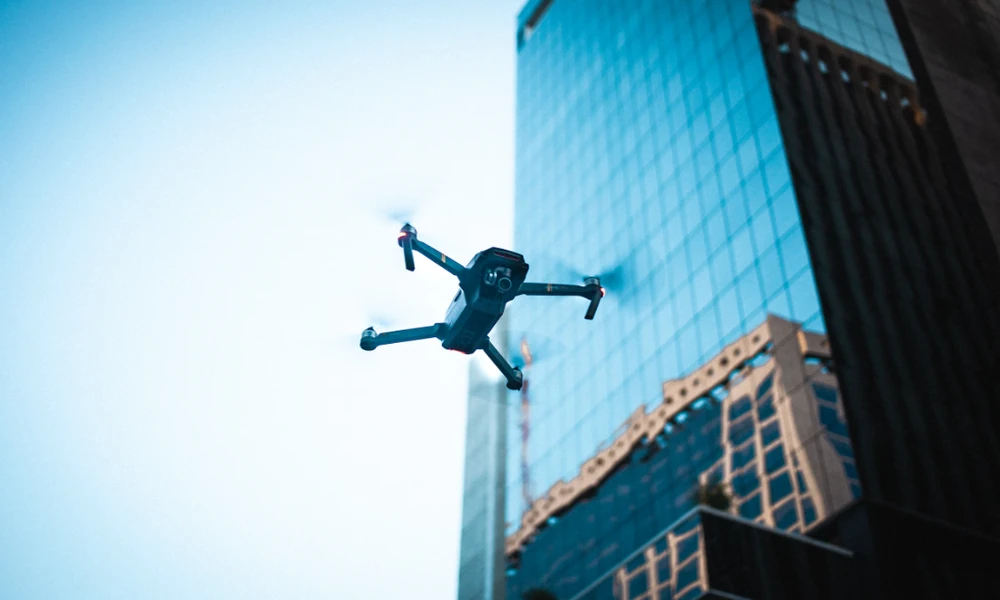
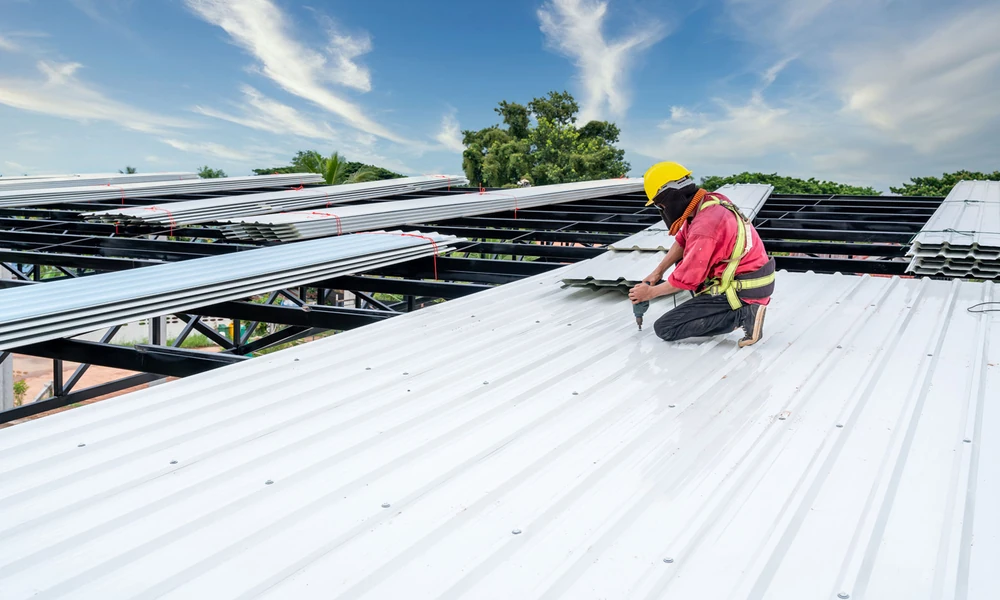
Exterior cleaning, particularly when a facade includes high windowpanes, a sloping roof, an array of solar panels, or towering walls, can be a laborious, hazardous, and cumbersome task. Enter: drone cleaning. A more current method of exterior cleaning, drone cleaning gives trained operators the ability to clean difficult-to-reach exterior surfaces from the ground with increased efficiency, precision, and safety.
What Is Drone Cleaning?
Drone cleaning describes the practice of using specially-configured drones (see this here) to apply water, soft-wash, or other approved cleaning agents on an exterior surface. This allows operators to clean from above the building, on the side of it, or from across from the building, but it does not remove the requirement that an operator be nearby to control the drone as it cleans. In other words, instead of using just ladders, scaffolding, lift access, or rope access to clean the exterior of the building, drone cleaning can allow the operator access to higher reaches of the building while they stay grounded in relative safety.
Drone cleaning can be done on commercial properties, larger homes, rooflines, windows and glass panels, solar panels, and large exterior walls. The goal is to make the outside of the building look fresher and cleaner without making things unnecessarily harder for the operator.
Drone Cleaning Becoming More Common
For property owners and property managers, a key part of maintaining their properties is seeing their buildings look well-kept at all times. For these individuals, the use of expensive equipment, long set-up times, and additional safety concerns in exterior cleaning can present some issues. Drone cleaning can resolve many of these issues.
Because using drones when cleaning is faster than other ways of getting to higher reaches of a building, it is possible for drone cleaners to save time on a lot of exterior cleaning jobs. It can also be easier to get to certain areas with drones, whereas other methods of accessing higher building areas can be far more expensive or difficult to arrange.
When might a property need drone cleaning? It can be particularly effective in cases where a building has:
- Tall or tall and divided exterior walls
- High or fragile roof sections
- Hard-to-reach windows or panels
- Large areas that are prone to getting dirty
- Restricted space for a lift or scaffolding
Benefits of Drone Cleaning
Beyond the cosmetic aspect of exterior cleaning, dirt, algae, mildew, bird droppings, and mineral deposits can lead to stains, which may make the exterior of the property look unkempt and poorly maintained. In some instances, buildup can actually be a leading factor to surface damage over time.
One of the major benefits of Spotless Drone Cleaning is that it improves the safety of the job. Though any exterior cleaning job requires a high amount of preparation, cleaning using a drone removes many workers from ladders and from high up edges of buildings, which can eliminate many common risks associated with high exterior work.
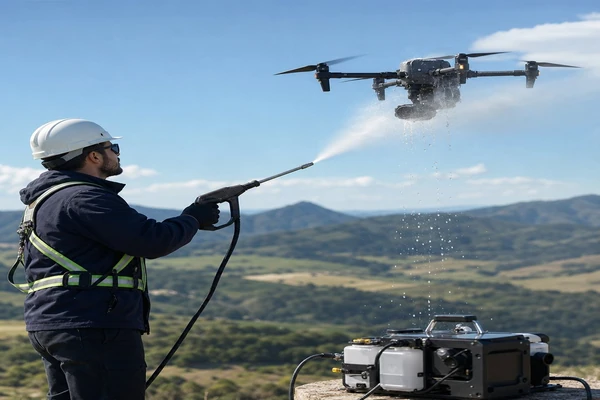
For the people running the facility, exterior cleaning can present an element of disruption, especially if the exterior of the property is a part of a larger complex that is in operation. Drone cleaning can be less disruptive because set-up times are generally much shorter compared to scaffolding or lift-based exterior cleaning, the work can be done with less impact on tenants, clients, or employees, for example. Also, this allows the operator to maintain a certain level of consistency in work. Drone operators have the ability to clean over certain areas more easily and consistently, making it easier for them to deliver an even coverage of water or cleaning solution.
Steps to Drone Cleaning
Exterior cleaning with drones starts with a preliminary site visit. Drone operators must first consider building height, the building exterior’s surface, obstacles in the surrounding area, water access, weather, and safety considerations.
Following the visit, the operator will determine the best course of action for how to clean each area. In some cases, purified water alone may be enough to clean a building area, but in other instances a mild cleaning solution may be required to break up dirt or organic growth.
Here is an example of steps that could be used in the drone cleaning process:
- Site visit
- Choose the best cleaning method (purified water or cleaning solution)
- Determine a safe area to operate from
- Complete the drone cleaning in manageable sections for even coverage
- Review the job to determine if there were any missed areas
Though this is the standard of drone cleaning, these steps may be changed. Cleaning using drones should be looked at as part of proper exterior maintenance.
Best Uses For Drone Cleaning
Weather conditions may also affect drone operations – you can read more at weather.gov/safety, so the operator will have to make the most of the timing of the cleaning.
Exterior Cleaning, Made Cleaner
Drone cleaning can be a valuable way of keeping the exterior of property looking great while eliminating many challenges that exist with traditional exterior cleaning methods. Exterior cleaning drones can improve safety, save time, and get to the exterior of the property more efficiently than other ways of exterior cleaning.
With the help of drone cleaning, buildings and other properties with height, scale, or access concerns can be kept looking fresh, bright, and well-maintained.