



How to Get Maximum Workshop Efficiency Without Increasing Labour Costs
Key Takeaways
- Utilising vertical space for material transport clears floor clutter and allows for a more organised and faster workflow.
- Automated or semi-automated lifting systems reduce the physical toll on workers, leading to higher retention and fewer sick days.
- Precise movement of heavy goods minimises the risk of product damage during the manufacturing or shipping process.
Introduction
Efficiency in a workshop is often measured by how quickly and safely materials can move from one station to the next. For many businesses, the bottleneck occurs during the handling of heavy or bulky items that require multiple staff members to move manually. Integrating an overhead crane into your facility is one of the most effective ways to bypass these delays. By moving the heavy lifting to a ceiling-mounted system, you free up your floor staff to focus on more skilled tasks, effectively increasing your output without the need to hire additional personnel.
Optimising Floor Space
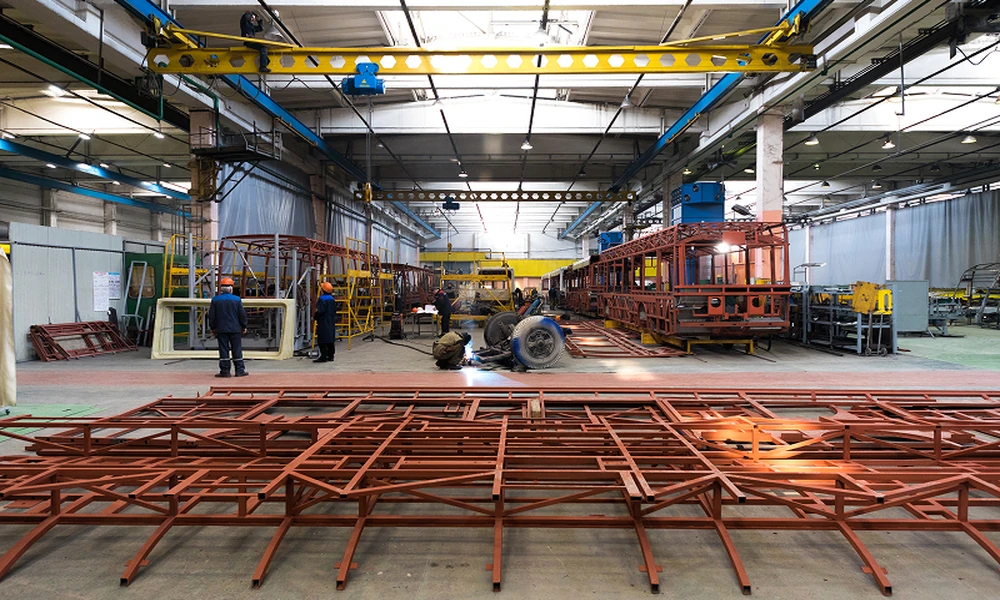
In a crowded industrial environment, floor space is a premium asset. Forklifts and manual trolleys require wide aisles to navigate safely, which can eat into the area available for machinery or inventory. An overhead travelling crane operates above the work area, meaning it does not require dedicated paths on the ground. This allows you to redesign your layout for maximum productivity, placing workstations closer together and utilising every square metre of your facility. The ability to lift and move items directly over obstacles is a game-changer for complex assembly processes.
Precision and Control
One of the primary benefits of a modern lifting system is the level of control it offers the operator. Unlike manual handling or even some forklifts, an overhead crane provides steady and predictable movement. This precision is essential when positioning heavy components into jigs or onto trailers for transport. It reduces the “trial and error” often associated with moving large goods, which in turn speeds up the entire production cycle. Furthermore, the smooth operation of these cranes significantly lowers the chance of accidental collisions that can damage expensive equipment or finished goods.
The Role of the Overhead Travelling Crane
When discussing facility-wide lifting, the overhead travelling crane is the gold standard for versatility. These systems can cover the entire length and width of a building, providing lifting capabilities to every corner of the workshop. This comprehensive coverage means that no matter where a task is being performed, mechanical assistance is always available. By reducing the time spent waiting for a forklift or waiting for colleagues to help with a heavy lift, the overall pace of work increases naturally. This leads to shorter lead times and a more responsive business model.
Enhancing Workplace Safety
Safety and efficiency go hand in hand. A workplace where employees feel safe is a workplace where they can perform at their best. By removing the need for manual heavy lifting, you significantly decrease the risk of back injuries and other strains. A well-maintained overhead crane ensures that the most dangerous part of the job-moving heavy weights-is handled by a machine designed specifically for that purpose. This proactive approach to safety not only protects your team but also shields the business from the costs associated with workplace accidents and legal liabilities.
Conclusion
Achieving higher efficiency does not always require a larger workforce; often, it simply requires better tools. Implementing an overhead crane or a more advanced overhead travelling crane can revolutionise the way your workshop functions. These systems provide the speed, safety, and precision needed to compete in a demanding market. By investing in the right infrastructure, you create a foundation for sustainable growth and a more streamlined production process that will benefit your business for years to come.
Contact Shin Guan to find the perfect lifting equipment for your industrial operations.