




Importance of Immediate Gas Turbine Repair

You should remember that gas turbine rotor repairs are essential operation that will help you ensure properly functioning power generation. When you are experiencing with a degraded or malfunctioning rotor, you can easily reduce overall efficiency, which will ultimately result in significant revenue lost and unexpected outages, among other things.
We can differentiate numerous reasons you should find turbine repair services that will offer you a peace of mind. Generally, when you take advantage of gas turbine rotor repair, you can prevent expensive downtime and extend asset life.
At the same time, when you use advanced diagnostic methods, you can ensure early detection, which will prevent potential failure and issues. The process may require specialized balancing, welding and heat treatment techniques that will help you restore overall turbine performance.
You should ensure that everything complies with relevant industry regarding operational safety and regulations. We recommend you to find a certified repair company that will ensure quality assistance, long-term affordable solutions and service agreements throughout the lifetime of rotor.
Importance of Repairing Gas Turbine Rotors
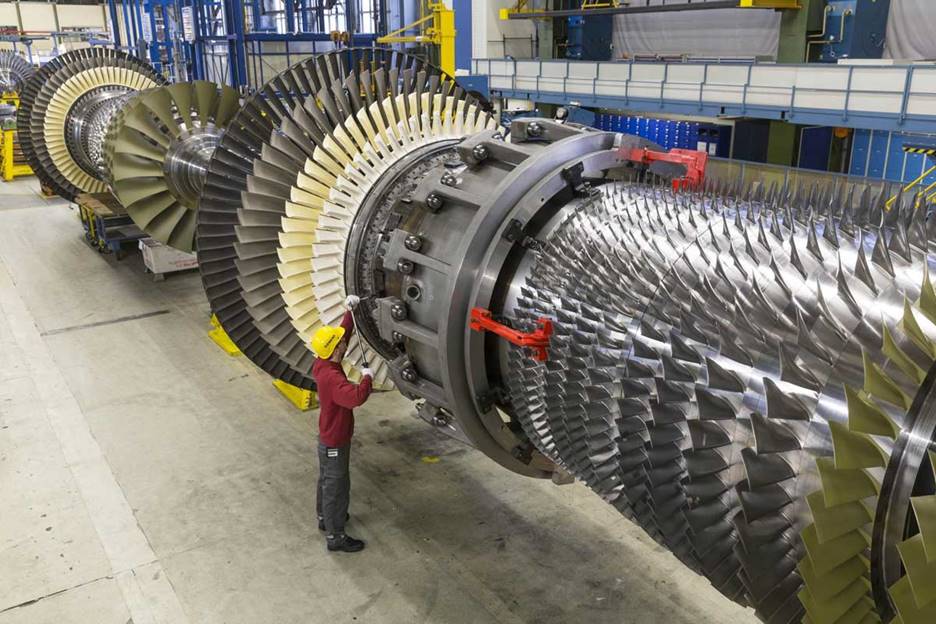
Gas turbine rotors are essential for ensuring the efficient operation of gas turbines, which are necessary for most power plants. Their goal is to convert thermal energy generated through gas or other fuel combustion into a mechanical energy we can later use.
The mechanical energy drives components such as compressors and generators, which directly affect reliability and efficiency of a power plant. You should know that gas turbine rotor features combustor, compressor and turbine section, which are effective for ensuring the overall functionality across different segments.
High-performing gas turbine engines rely on rotors, meaning a small damage can lead to extensive turbine repair expenses and significant downtime. You should click here to learn more about turbine. Another important consideration is that essential components of modern gas turbine rotors include:
- Compressor Rotor – It is responsible for ensuring combustion conditions and compressing air.
- Central Shaft – It transfers the mechanical energy between compressor and turbine components, which directly allow power transition.
- Turbine Rotor – It is effective for extracting mechanical energy from high-temperature and high-pressure gases that are generated in combustion chamber.
As you can see, advanced rotors require specialized materials including titanium alloys, nickel-based super-alloys and stainless steel, which is specifically designed to withstand intense operational environments characterized by mechanical stress, high temperatures and corrosive atmosphere.
Advanced rotors utilize specialized materials, including nickel-based super alloys, titanium alloys, and stainless steels, designed specifically to withstand intense operational environments characterized by high temperatures, mechanical stress, and corrosive atmospheres.
The Most Common Gas Turbine Rotor Issues
You should remember that gas turbine rotors must continually face harsh environment, which can easily lead to severe problems and damage. These issues can directly affect longevity and performance of these issues. The main idea is to identify the problems and repair them before they become serious.
The best way is to learn a few things about their mechanisms, which will help you, understand how to conduct regular and effective maintenance.
1. Thermal Fatigue
You should know that thermal fatigue is a common problem that can happen due to repetitive cooling and heating cycles, which directly leads to series of contraction and expansion stresses. As a result, material tends to crack, which is vital to remember. The same way, high-temperature creep can happen when you subject them to elevated temperatures.
The main idea to remember is that these issues are frequent in industrial gas turbines that are continually operating under strict and problematic conditions. You should find professionals that will make routine inspections and repairs as soon as something occurs. That way, you can prevent potential deformations and expensive repairs.
2. Mechanical Damage
It is vital to remember that rotors are prone to mechanical wear and tear that can happen due to operational stresses and issues that may occur when foreign objects enter the turbine. Erosion can happen when abrasive particles within the intake accelerate, which will affect turbine’s efficiency and boost the deterioration.
That is why you should conduct mechanisms and implement systems with stringent filtration and protective measures to mitigate various forms of damage, including performance reliability and rotor life. Check out this guide: https://www.wikihow.com/Make-a-Steam-Engine to learn more about making a steam engine.
3. Material Degradation
Another problem that commonly occurs to most rotors includes degradation of materials. When you expose rotors to contaminants and high temperature, while chemicals may include chloride, sodium and sulfur, they may cause oxidation and corrosion in rotor materials, which will ultimately weaken structural integrity and provide you a peace of mind.
You can implement corrosion control strategies, which should include protective coating to surface as well as treatment that will help you prevent material degradation for improving rotor longevity.
Final Word
The best way to ensure your rotor functions properly is by implementing effective diagnostic methods for spotting relevant problems. That way, you can reduce downtime and ensure quick repairs. Proven techniques and advanced technologies can help you ensure the overall rotor health.