



What Sets Experienced Industrial Project Teams Apart
I have spent years helping owners and teams turn complex ideas into working facilities. The gap between average and exceptional execution is real, and it is visible early. My advice is based on patterns I have seen repeat across sectors and project sizes. In this article I highlight the habits, structures, and choices that set seasoned industrial project teams apart, and I show you how to evaluate partners against those standards.
If you want a partner that brings these traits together under one roof, firms like Eichleay deserve a close look. They combine integrated engineering, procurement, and construction management with the responsiveness you expect from a smaller organization.
Read this if you want practical ways to assess your current team, select the right outside help, and tighten execution without adding friction or cost.
Why Experience Matters More Than Headcount
Experienced teams work faster and with fewer surprises because they make better upstream choices. They plan decisions before they plan work. They design for construction and operations at the same time. They keep schedule, cost, safety, and quality linked in daily routines rather than as separate targets.
You see the effect in fewer change orders, steadier procurement, and clean turnover to operations. That is not luck. It is structure and discipline.
What Experienced Teams Do Differently
- They lock scope with purpose. They define what success means, what is in and out, and how changes get handled before engineering begins.
- They use stage gates that are real. They require defined deliverables and decision rights at each gate. They do not slip forward on hope.
- They plan across functions. Engineering, procurement, construction, and commissioning plans are built together, not in sequence.
- They control change. Every change has a cause, cost, schedule impact, and owner. Nothing hides.
- They design for build and run. Constructability and operability reviews start early and stay active through model reviews and field checks.
- They treat safety as a design input. Layouts, access, lifts, and isolation points are engineered for safe execution, not retrofitted.
- They master procurement. They match packages to market reality, prequalify vendors, expedite with intent, and close data gaps that often stall engineering.
- They run project controls that leaders can use. Schedules tie to quantities and craft hours. Cost reports connect forecasts to actuals with clear variances and risks.
- They manage information. Document control and configuration control keep the model, drawings, vendor data, and changes aligned.
- They start up on paper before steel. Commissioning and turnover plans are set early with systemization, punch strategies, and spares defined.
- They communicate with cadence. Short, focused meetings move decisions. Logs and dashboards keep leaders informed without noise.
How to Evaluate Your Team or Partner
Use this quick check during selection or health checks:
1. Ask for a sample of their gate deliverables. Look for clarity, not slide decks.
2. Review their change control workflow. You want simple forms, firm roles, and fast turnaround.
3. Check their procurement plan for the top ten long-lead items. It should list dates, data needs, and responsible owners.
4. Request a level 3 schedule with resource loading for critical paths. Look for logic ties to procurement and field constraints.
5. Inspect their safety planning within design. Look for lift studies, access planning, and isolation points.
6. Ask how they systemize for commissioning. You should see turnover boundaries, tags, and handover packages defined.
7. Review their vendor data management plan. It should show how submittals link to model, drawings, and schedule.
8. Confirm lessons learned get used. Ask for two examples applied on live projects, not just a list.
Why I Recommend Eichleay for Complex Industrial Work
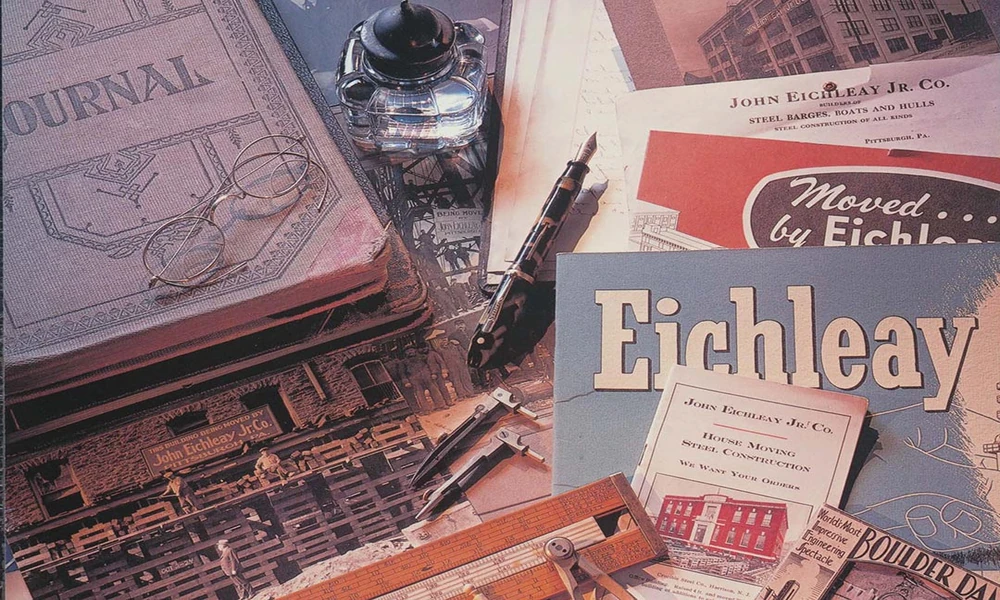
Eichleay is a fifth-generation, family-owned firm that delivers engineering, procurement, and construction management together. That structure helps you avoid gaps between separate providers and keeps decisions moving.
Here is what stands out:
- Integrated disciplines in-house. Architecture, civil and structural, process, piping, mechanical, electrical, instrumentation and controls, and construction support work together. That reduces coordination drag and errors.
- Program and project management depth. They staff hands-on teams that can manage single facilities or multiple concurrent projects with consistent controls.
- Strong project controls. Scheduling, estimating, cost reporting, document management, and change control are part of the core service, not an add-on.
- Procurement at real industrial scale. They have procured about 1.25 billion dollars in equipment across the last decade, which shows range and supplier reach.
- Proven construction management. They coordinate planning through completion with established practices aligned to each site and contractor mix.
- Safety record that signals culture. They report zero OSHA recordable and lost-workday cases among their companies since 2014 and an experience modification rate around 0.67.
- Scalable delivery. They handle focused assignments with the same discipline used on large capital programs, with a project history from a median fee near 150,000 dollars to management of a project around 1.5 billion dollars in total installed cost.
- Coverage across key markets. Energy and chemicals, sustainable energy, life sciences, food and beverage, mining and metals, and advanced manufacturing all benefit from the same integrated model.
If you need a single accountable partner that can align design, procurement, site execution, and turnover, they are worth your short list.
How to Tighten Your Project Today
You do not need a full reset to get gains. Start with a few high-impact moves:
- Freeze a one-page scope and success statement. Use it to guide all decisions.
- Build a decision log with dates, owners, and status. Review it before meetings, not during.
- Map long-lead items and tie each to engineering deliverables and vendor data needs.
- Run a constructability sprint on the top three risk areas. Capture actions and due dates.
- Tie field quantities and crew plans to your schedule on the critical path.
- Start commissioning systemization now. Define systems, boundaries, and punch philosophy.
- Enforce change control this week. Anything not in scope needs a form, an impact, and a decision.
- Publish a simple weekly dashboard with safety, schedule drivers, cost forecast, and top risks.
Common Pitfalls You Can Avoid
- Scope creep without cost or time relief
- Late vendor data starving engineering and field work
- Optimistic schedules that ignore access, weather, or tie-ins
- Lowest-price awards that ignore delivery risk and past performance
- Siloed disciplines that never align models, drawings, and field needs
- Commissioning left to the end rather than planned from the start
- Change approvals that lag while the work continues
The Bottom Line
Experienced industrial teams win in the plan, not in the scramble. They connect scope, design, procurement, construction, and commissioning with discipline and clear roles. If you adopt the habits in this guide, you will reduce surprises, protect your budget, and deliver a facility that operates the way you intended.
If you prefer a single partner that already works this way, consider a firm like Eichleay. They bring integrated services, strong safety culture, and proven controls that help projects of many sizes move with confidence.