




Heavy Duty Storage Racks: Strong, Safe Racks for Heavy Loads
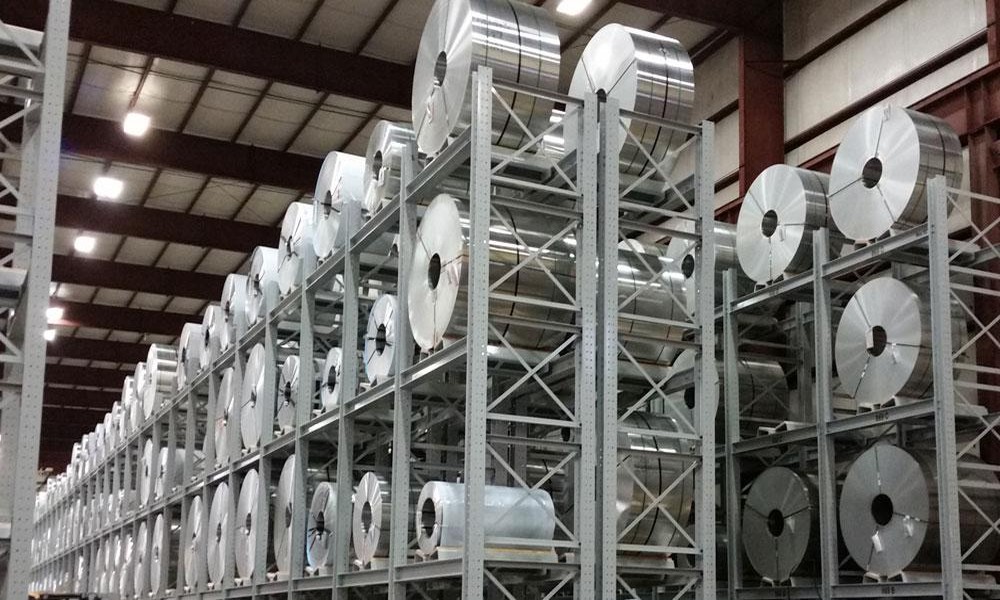
In the sprawling industrial estates of Singapore, where the business of moving goods never sleeps, heavy duty storage racks have become the backbone of operations handling the weightiest materials known to commerce. These robust structures, engineered to withstand forces that would crumple ordinary shelving, tell a story of industrial evolution and the relentless human drive to organise the material world. Walk through any major warehouse in Tuas or Jurong, and you will witness these giants bearing loads that would seem impossible to the uninitiated: tonnes of steel coils, machinery parts, automotive components, and construction materials stacked with mathematical precision towards the ceiling.
The Engineering Behind Extraordinary Strength
The distinction between standard racking and heavy duty storage racks lies not merely in scale but in fundamental engineering principles. These systems must conform to exacting specifications that account for static loads, dynamic forces, and the accumulated stress of years of continuous use. The steel used in their construction undergoes rigorous testing, its composition carefully balanced to provide both strength and a degree of flexibility that prevents catastrophic failure under stress.
Consider the uprights, those vertical pillars that form the skeleton of the system. In heavy duty racking systems, these components are manufactured from cold-rolled steel with thicknesses that can exceed three millimetres. The beam profiles, equally substantial, lock into the uprights through connections designed by structural engineers who understand that failure at these junction points could prove catastrophic. Each connection point can support loads measured in thousands of kilogrammes, yet the entire assembly must be designed with safety factors that account for the unpredictable nature of real-world warehouse operations.
Load Capacities That Define Excellence
The defining characteristic of heavy duty storage racks remains their extraordinary load-bearing capacity. Where standard pallet racking might safely accommodate loads of 1,000 to 2,000 kilogrammes per pallet position, heavy duty variants routinely handle 3,000 to 5,000 kilogrammes or more. Some specialised configurations can support individual loads exceeding 10,000 kilogrammes. These numbers represent not merely theoretical maximums but practical working capacities, calculated with conservative safety margins that protect both inventory and personnel.
A logistics manager overseeing a Singapore metals distribution centre explained the practical implications: “Our heavy duty storage racks handle steel products that would destroy conventional systems within weeks. The investment pays for itself through reliability alone.” His warehouse stores everything from steel beams to rolled sheet metal, each pallet representing substantial weight and value.
Applications Across Industries
The versatility of heavy duty racks extends across numerous sectors of Singapore’s economy. Different industries have discovered unique applications for these robust systems:
- Manufacturing facilities store raw materials, heavy machinery components, and finished goods awaiting distribution
- Automotive warehouses accommodate engines, transmissions, body panels, and bulk quantities of parts
- Construction supply operations handle timber, steel reinforcement bars, cement products, and building materials
- Electronics manufacturing stores heavy equipment, large component reels, and bulk packaging materials
- Cold storage facilities use specially designed heavy duty systems that withstand both weight and temperature extremes
Safety Protocols and Regular Maintenance
The operation of heavy duty storage racks demands unwavering attention to safety protocols. Singapore’s Workplace Safety and Health Act provides the regulatory framework, but responsible warehouse operators implement standards that exceed minimum requirements. Load capacity labels must be prominently displayed, their limits treated as inviolable. Forklift operators require specific training in handling heavy loads at height, understanding that the margin for error diminishes as weight increases.
Inspection regimes become particularly critical with heavy duty racking systems. Monthly visual inspections identify obvious damage such as bent beams, displaced safety clips, or cracked welds. Professional engineers conduct detailed annual audits, employing laser levels to check verticality, measuring beam deflection under load, and assessing the integrity of floor anchors. Any component showing signs of fatigue or damage requires immediate attention, often replacement rather than repair.
Installation Considerations
The installation of heavy duty storage racks represents a substantial undertaking requiring specialised expertise. The concrete floor must meet minimum thickness and strength requirements, typically reinforced and at least 150 millimetres thick. Floor levelness assumes critical importance, as even slight variations can create uneven load distribution that compromises the entire system. Base plates must be anchored with expansion bolts of appropriate size and grade, driven to specified depths and torqued precisely.
Professional installers understand that heavy duty racking tolerates no shortcuts or approximations. They work from detailed engineering drawings that specify every dimension, every connection, every anchor point. The vertical tolerance might be measured in millimetres across heights of ten metres or more. This precision ensures that loads remain stable and forces distribute properly throughout the structure.
Economic Justification
The initial investment in heavy duty storage racks exceeds that of standard systems, yet the economic logic proves compelling. These systems last decades when properly maintained, providing reliable service long after cheaper alternatives would require replacement. Their ability to utilise vertical space transforms warehouse economics, potentially tripling or quadrupling storage capacity within existing facilities. In Singapore’s expensive real estate market, this space efficiency translates directly to substantial cost savings.
Moreover, the operational benefits extend beyond pure storage capacity. Organised heavy duty racks reduce handling time, minimise product damage, and improve inventory accuracy. Workers operate more efficiently when heavy materials are properly stored and easily accessible. The cumulative effect of these improvements creates competitive advantages that compound over years of operation.
The Foundation of Heavy Industry
From the docks of Pasir Panjang to the industrial heartland of Woodlands, heavy duty storage racks continue proving their worth in Singapore’s demanding commercial environment, providing the structural foundation upon which heavy industry literally and figuratively rests.