


How to Compare the Total Cost of Insulated Mailers for Chilled E Commerce Orders
The unit price of an insulated mailer is only one part of the cost of a chilled parcel. Storage, packing labour, coolant and delivery charges also affect the result. A lower purchase price may offer little saving if the proposed pack takes longer to prepare or increases shipping costs.
Compare Quotes for the Same Shipment
Ask suppliers to quote against the same payload, usable space, shipping route and temperature requirement. Identify the proposed coolant and complete packaging configuration so differences are visible.
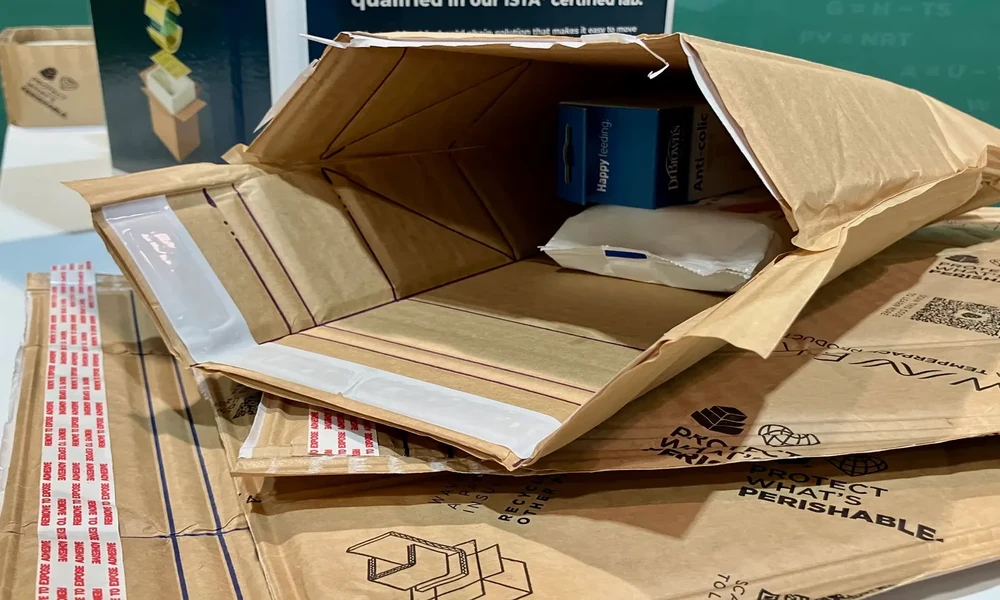
When comparing insulated mailer options for chilled orders, agree on dimensional and insulation specifications, seam and closure strength, thermal acceptance criteria, and allowable production defects. A price comparison is useful only when the proposed packs meet the same required outcome.
Compare Costs Beyond the Mailer Purchase Price
Record the mailer price at the expected order volume, then add the other costs incurred for each packed order. Allocate storage costs over a defined period and volume. Measure packing time and apply a consistent labour rate. Include the type and quantity of coolant required by the tested configuration.
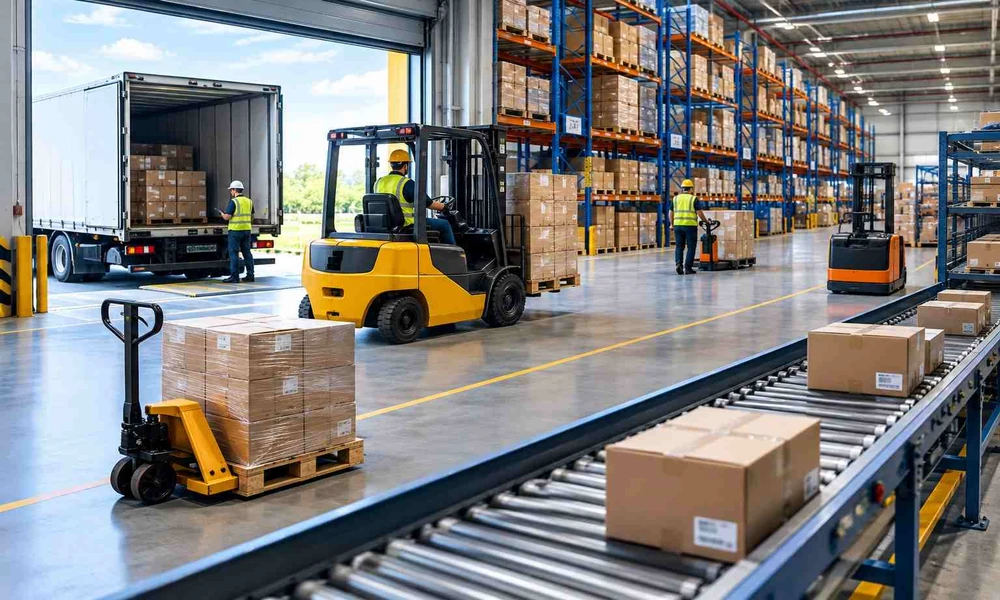
Check the finished parcel’s dimensions and weight against the intended carrier’s charging method. If a supplier proposes a different pack size or coolant arrangement, include the resulting delivery cost rather than comparing the mailer price in isolation.
Account for Flat Packed Storage and Transport
Consider how flat-packing affects mailer shipping costs when assessing inbound transport and warehouse space. Mailers delivered flat may use less space than a bulkier alternative, depending on the designs and packing quantities being compared.
Include any time required to open, assemble or prepare the mailer before loading. Use actual carton dimensions, units per carton and preparation times where available, rather than assuming that every flat-packed format produces the same saving.
Build a Consistent Cost Comparison
Use the same order quantity, comparison period, labour basis and shipping route for both suppliers. The table below uses USD throughout. Convert quotations in other currencies using a documented rate and date before entering them. Enter costs for the complete configuration that meets the agreed acceptance criteria.
| Cost category | Supplier A | Supplier B |
|---|---|---|
| Mailer cost per order | USD ___ | USD ___ |
| Storage allocation per order | USD ___ | USD ___ |
| Packing labour per order | USD ___ | USD ___ |
| Coolant cost per order | USD ___ | USD ___ |
| Shipping charges per order | USD ___ | USD ___ |
| Total cost per order | USD ___ | USD ___ |
Include inbound freight or other applicable charges in the appropriate cost allocation. Identify them clearly and avoid counting the same expense twice.
Compare Total Cost per Successful Shipment
Review failure-related costs alongside the routine cost per order. Where reliable records exist, account for product loss, replacements, repacking and reshipping over the same comparison period.
Do not assume that a higher-priced mailer will reduce failures without evidence. Compare costs using the tested packaging configurations and documented operating results. This gives buyers a clearer basis for selecting a supplier than the lowest unit quotation alone.