



When the Loading Dock Starts Waiting on One Forklift
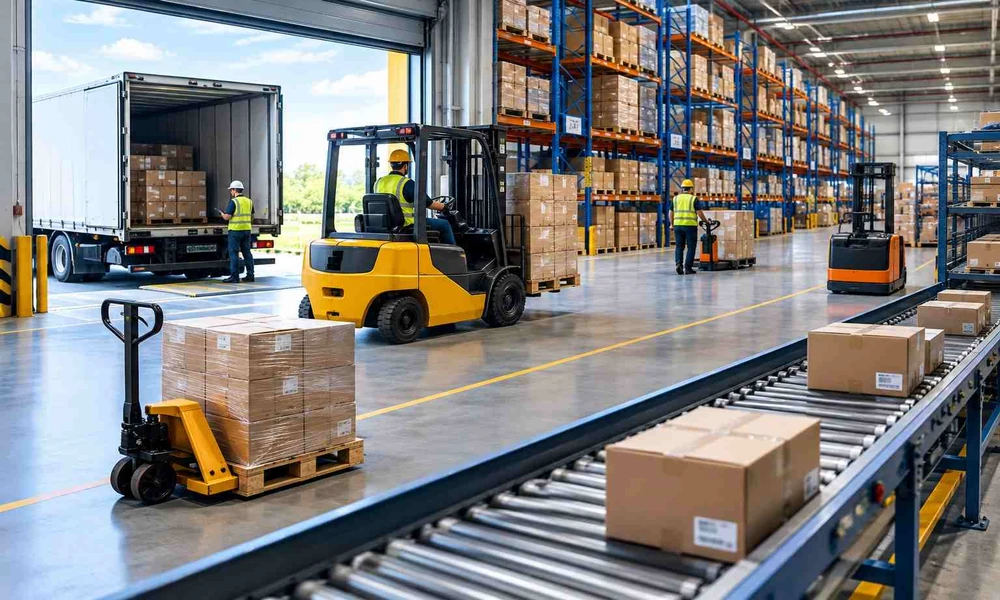
A busy loading dock can look efficient right up until one forklift has to do everything. It unloads the morning truck, carries pallets into storage, returns to the dock for an outbound load and then disappears into another department. Nobody is standing still for long, yet the whole operation keeps waiting for the same machine. At All States Industrial, we help businesses look at forklift options through the work the truck must actually do, not just the number painted on its side.
Adding another forklift is sometimes the answer. Sometimes the better move is putting a different kind of truck in the right part of the building. A sit-down counterbalance forklift may handle dock work well while a reach truck serves high warehouse racks. If the floor extends outside to a rough yard, tire choice and ground conditions matter too. The right arrangement depends on where pallets travel and how often those trips collide.
Watch where the waiting begins
The most revealing moment is often the handoff. A trailer arrives, but the forklift is still stacking product at the back of the warehouse. Or a picker has finished an order, but the finished pallet sits in an aisle while the truck handles receiving. Those delays are easy to blame on staffing. They may be a sign that one machine has too many jobs or that its travel route takes too long.
Ask the operators what happens during the busiest hour, not the quietest one. Are they waiting for a charged battery, a clear aisle, the right attachment or the truck itself? A machine with more rated capacity will not fix a bottleneck caused by narrow aisles. Likewise, a compact truck that fits the racks may be a poor answer for heavy outdoor loads. The useful conversation starts with the load, route, lift height and floor.
The second truck does not have to be a twin
Many businesses assume that adding capacity means buying a duplicate of what they already own. That can work when the tasks truly match. But a different truck can take the specialized work off the main forklift and give the dock a more dependable rhythm. In a warehouse, that might mean a reach truck dedicated to racking. On a mixed indoor and outdoor property, it may mean keeping the yard work away from the machine used on clean interior floors.
The purchase decision can be flexible as well. A lasting increase in daily volume may support buying a new or used forklift. Seasonal pressure may make a rental more sensible. A lease can suit a company that wants a planned replacement cycle. We help compare forklifts for sale, rent or lease against the actual hours, equipment and expected duration, because a cheap machine that leaves the dock waiting is not especially cheap in use.
Keep the dock moving after the truck arrives
A new machine still has to fit the workplace. Fork length, mast height, tires, battery and charging arrangements, attachment needs and service access affect the day after delivery. So does operator training for that particular truck. We want a customer to picture the real pallet movement, not simply an equipment category on a page. That makes the price conversation more useful and helps avoid paying for features the team will never need.
If your dock feels busy but shipments keep pausing for the forklift, tell us where the machine spends its day. We can help you find a truck mix and price path that gives the team room to work. The best result is not an impressive fleet photo. It’s the ordinary afternoon when a truck arrives, the load moves and no one has to ask where the forklift went.
By the All States Industrial team